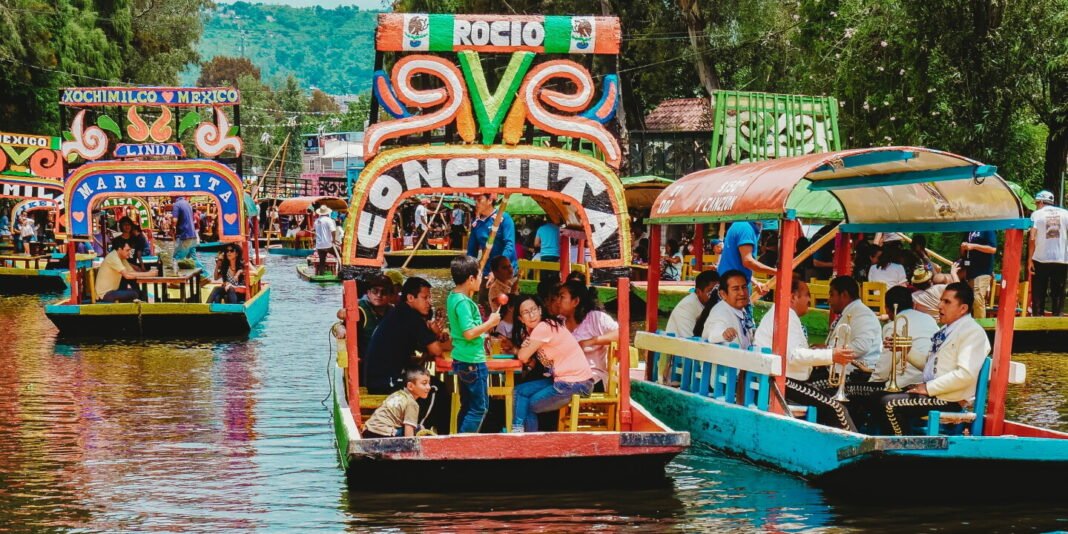


As the 2026 FIFA World Cup kicks off across North America on June 11, the U.S. Embassy in Mexico has issued a planning guide for Americans heading south.
Mexico is expecting more than 5.5 million visitors for the tournament, which will be held until July 19 in 16 cities across Mexico, the United States and Canada. The host cities in Mexico are Mexico City, Guadalajara, and Monterrey.
This guidance parallels the Department of State’s advisory, reissued on May 29, which placed Mexico under a Level 2 (“high alert”) status while placing six states (Colima, Guerrero, Michoacán, Sinaloa, Tamaulipas, and Zacatecas) under a Level 4 “travel ban.”
Zach Rabiner, founder and CEO of Journey Mexico, who has lived in Mexico for more than 20 years, says that framework needs context. First, none of the three World Cup host cities are in Level 4 states. “If we actually used these classifications in the United States, some of our cities would fall into Level 4,” he says. “It’s all about granularity. Don’t paint with one brush.”
Some of the embassy tips are worth noting. The first is “Don’t hail a taxi on the street.” Instead, guides are directing travelers to use carpooling apps or book through hotels or authorized agents. place (taxi stand).
Mr. Rabinor agrees. “Only use taxis from official stops. They are in front of hotels and restaurants. There are queues with managers. These are legal, licensed, vetted and safe. What you don’t want to hail are off-road cars,” he said.
The second point warned travelers about health care and finances. Medicare, Medicaid, and most U.S. health insurance plans do not cover treatment abroad, and the embassy warns that “most hospitals will not release patients until the bill is paid in full.”
“That’s true for any other country in the world. U.S. medical insurance doesn’t cover you outside the U.S., but most travel insurance does, so buy it,” Rabiner says.
In addition to the embassy guidelines, here’s what Rabinor tells his clients:
- When driving: “We tell people not to drive at night. Taxis and drivers are fine, but don’t drive yourself,” he said, adding that Mexico’s road conditions are notoriously worse than in the United States, and crime rates are higher at night.
- At ATM: “Reject the exchange rate offered and always pay in pesos. As with any country, make sure you are not being followed and that no suspicious parties are lurking.” Bank-suggested conversions always end up costing you more money, but paying in pesos is the best deal.
- Inside the airport: “Avoid timeshare salespeople. Don’t sign up for transportation, travel, or services until you’re out of the secure area,” he notes, noting that timeshare salespeople typically line up before you clear customs and head to the arrivals gate. Mexican timeshares are one of the biggest scams in the world.
- Solo travel: “Let the hotel reception or your family know where you are, especially if you’re going out at night.” It may sound strange to tell a hotel where you’re going, but if you’re traveling alone, it doesn’t hurt to get your hotel’s concierge number on WhatsApp before you head out.
- Are you driving? “Make sure you have car insurance in Mexico. Use toll roads. It’s expensive, but it’s safe.” If you rent a car in Mexico, the rental car company will automatically add car insurance. If you book online in the US, you may have to pay an additional fee at the counter. Take a co-pilot, drive during the day, and ask about possible disruptions. Rabinor said it could reach Level 4 depending on the states it passes through.
- At military checkpoints: “Keep all your paperwork in order and be friendly and courteous. Your paperwork is there to protect you.”
Above all, “Know your place. You can start in an upscale neighborhood and end up somewhere you don’t want to go, like in New York,” says Rabiner.
The embassy added that all travelers, including children, must have a passport book. A notarized authorization letter is required for children not traveling with their parents. Weapons, vaping products, and all marijuana are illegal.
For the World Cup, tickets can only be legally resold through FIFA’s Exchange Marketplace. Both Embassy and Rabinor end up with the same thing: enroll in the State Department’s free Smart Traveler Registration Program and keep copies of your passport, visa, and license while you travel.