

Release date
A proposed US Senate bill could impose 500% tariffs on countries that trade with Russia, including major buyers such as India and China, as the US pushes for new sanctions backed by President Trump to isolate Russia’s war economy.
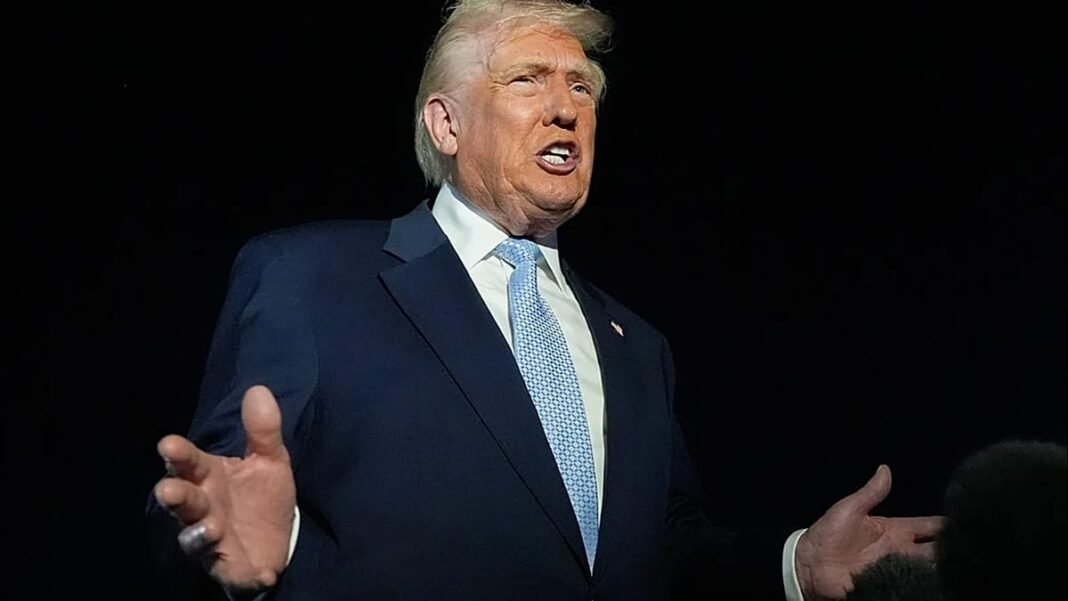
Trump told reporters on Sunday that Republicans were drafting a legal framework for additional sanctions, adding: “That’s fine.” “Any country that does business with Russia will be subject to very severe sanctions,” he said, adding that “this could include Iran.”
Aimed at blocking Russian energy revenues, the bill, known as the Russia Sanctions Act of 2025, would impose tariffs of up to 500% on imports from countries that buy Russian uranium and oil products and do not actively support Ukraine. A similar 500% tariff could also apply to goods and services from Russia itself.
U.S. Senators Lindsey Graham and Richard Blumenthal introduced the bill in April 2025. In a joint statement in July, they said, “The ultimate hammer to end this war is tariffs on countries like China, India, and Brazil that support President Putin’s war machine by buying cheap Russian oil and gas.”
The bill would go into effect if the U.S. president determines that Russia is refusing to negotiate a peace agreement with Ukraine, is in violation of the peace agreement, or is taking other aggressive actions in Ukraine.
Trump had previously been hesitant to support the bill as the US government was organizing peace talks between Ukraine and Russia, including hosting President Vladimir Putin in Alaska on August 15, 2025, and exploring the possibility of a summit in Budapest. Despite these efforts, negotiations remain stalled.
Almost four years into the conflict, the Kremlin shows no signs of backing down, even after a new wave of US and EU sanctions in October this year. This includes U.S. sanctions on Russia’s two largest oil companies, Rosneft and Lukoil, freezing their U.S.-held assets and banning Americans from doing business with those companies.
At the same time, the European Union adopted its 19th sanctions package, which includes a phased ban on Russian liquefied natural gas (LNG).
However, these measures have had little impact on Russia’s trade with countries such as India and China. A proposed Senate bill would subject those countries to additional tariffs, just weeks after the U.S. government finalized a new tariff deal with China.
However, the President of the United States retains the authority to exempt certain countries, goods, and services from sanctions.
To become law, the bill must pass the Senate before being moved to the House. If both chambers agree on the same bill, it would need President Trump’s signature to go into effect.