

Release date
You may have seen these practices on Instagram or Tiktok.
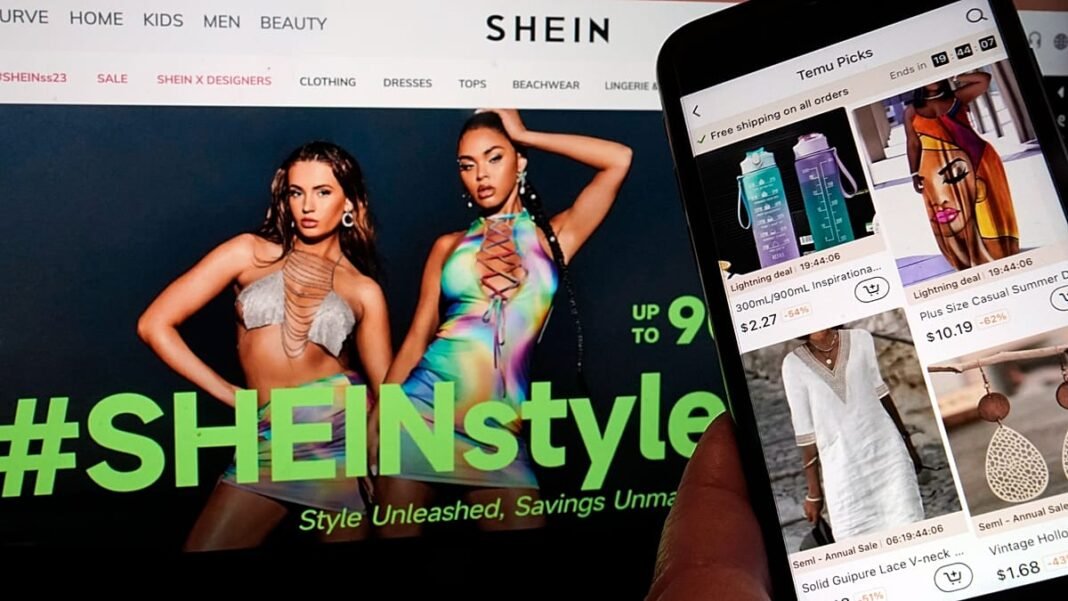
Some influencers unpack and try on clothing from platforms like Shein and Temu to show how much you can buy for less, while others show off cheap imitations of clothing and accessories from fast fashion brands.
These marketing methods are known as “hole” or “fitting hole” and “dupe” videos, respectively.
Influencer marketing also promotes advertising of unhealthy foods. In Portugal, McDonald’s collaborated with a popular streamer exploring the world of Minecraft. In other examples, influencers may offer discount codes for fast food brands, post taste tests or flavor challenges, or perform dance challenges or comedy skits for drink and snack brands.
The European Consumer Council (BEUC) warns in a new report that influencer marketing poses problems including a lack of transparency, private commercial partnerships and incentives for over-consumption.
“In some cases, we believe that there is a violation of EU law, especially when you advertise something in exchange for what is being paid and do not communicate this to the consumer. Therefore, it is subject to consumer protection law,” BEUC director general Agustín Reyna told Euronews.
“But what we don’t cover in EU law is the relationship between influencers and brands, influencers and platforms,” he added.
According to BEUC, 67% of monitored influencer posts promoting unhealthy foods did not disclose any partnership with the brand, either as a gift or as a paid promotion.
The European Consumer Organization therefore recommends establishing joint and several liability between influencers, their agents and brands in case of violations of consumer law. We also advocate for banning influencer marketing in areas that are dangerous to children, such as unhealthy foods.
Some European countries have adopted rules regulating the commercial activities of influencers at the national level. In France, the National Assembly and the Senate have approved a proposal to ban fast fashion influencer marketing. Norway has also banned influencers from promoting unhealthy foods and drinks to children.
Meanwhile, the European Commission is expected to submit a draft Digital Integrity Act next year to tackle unfair online practices and misleading influencer marketing.