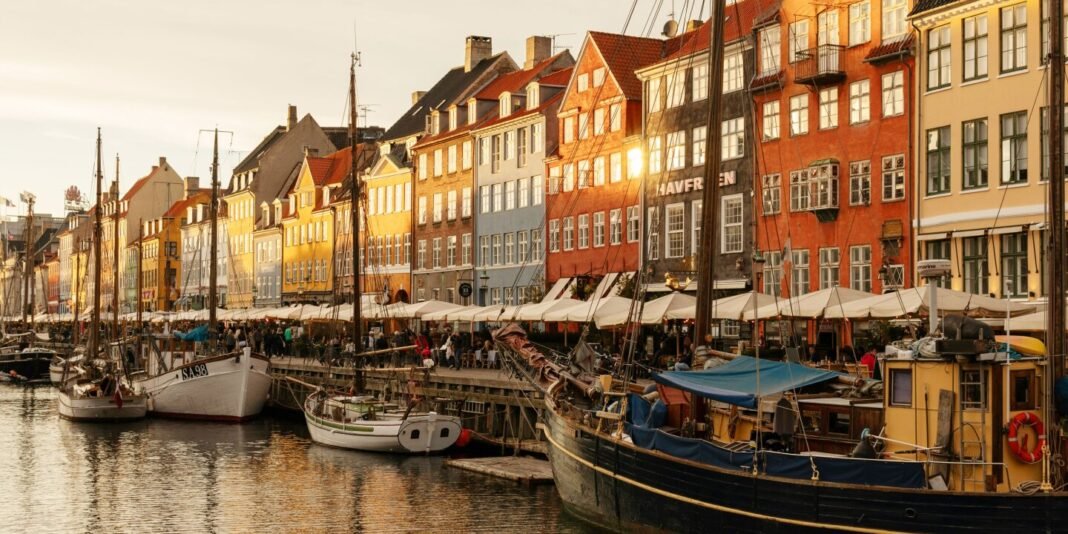


With summer just around the corner, many popular European destinations are preparing for a surge in tourists, some of whom will no doubt end up in the news for their bad manners. But a new wave of programs aims to change this worrying trend by using incentives that reward responsible tourist behavior, attracting long-term visitors and revitalizing communities facing population decline.
These initiatives take a multi-layered approach to simultaneously address the challenges of overtourism, population decline and sustainability issues, with incentives now playing a key role in driving decision-making. Some initiatives provide access to experiences in exchange for making low-impact choices, while others provide financial support to those who stay longer or relocate.
Such programs address the challenge of overtourism, which continues to burden popular destinations. In 2025, tourists will spend around 3.1 billion nights in European accommodation, setting a new record, but these economic impacts tend to only benefit popular regions. Meanwhile, many small communities are facing population decline.
At the same time, interest in moving abroad is increasing among U.S. citizens. An October 2025 survey found that one in 10 Americans is considering moving abroad, with 38% choosing Europe as their preferred destination.
Reward responsible travel and reduce overtourism
Copenhagen was one of the first European cities to experiment with sustainable reward-based incentives. Launched in 2024, the CopenPay program encourages tourists to choose eco-friendly options and activities, such as bike trips, train trips, and clean-up activities, in exchange for cultural experiences.
Inspired by strong traveler engagement with the program, several other cities, including Bremen and Berlin, have introduced similar pilot projects, which are expected to begin this year. Meanwhile, Helsinki’s incentive scheme will focus on regenerative tourism (activities that restore ecosystems or support local communities) and Baltic Sea restoration projects.
Other European destinations are recognizing sustainable practices through transport experiences. In Switzerland, if you travel by train, bus or ferry, the Swiss Travel Pass gives you free entry to more than 500 museums. In spring 2024, Normandy launched a low carbon rate incentive. It allows visiting commuters to receive a 10 per cent discount at leisure attractions in exchange for presenting a photo of a used travel ticket or rental bicycle. Ski resorts Vialatea and Les Gets Morzine, Skiers receive discounts on ski passes when arriving by train.
In May, Florence will launch the Michelangelo Trail, a collection of city-wide itineraries encouraging a more relaxed exploration of the legendary artist’s works, to reduce crowding at certain tourist attractions. This initiative reflects travelers’ growing desire to spend their time and money on activities that promote sustainability and improve local communities.
Kenny Dunn, founder of Eating Europe, which specializes in immersive gastronomic tours and experiences, believes this type of initiative is a step in the right direction. “People are looking for deeper, more meaningful interactions than just checking out landmarks,” says Dan, an American who has lived in Rome for 17 years. “They want authenticity, smaller groups and local connections.”
Paying stay fees to new entrants
Meanwhile, more European destinations are introducing long-term solutions to repopulate smaller towns and villages.
Italy is committed to this strategy, perhaps most notably with its much-hyped program to sell homes for 1 euro in Sicily and elsewhere. But many other financial incentives exist. Calabria will provide grants of up to 28,000 euros ($33,000) over three years to professionals under the age of 40 to move and start small businesses. Osara di Puglia, which has just over 3,000 residents, offers families 5,000 euros ($5,750) to help them buy a home. The medieval Tuscan town of Radicondoli offers financial incentives to renters and new homeowners if they stay for four or 10 years, respectively.
Meanwhile, Tolentino is donating up to 100,000 euros (approximately US$107,500) to buy and renovate homes in 33 villages. Sardinia is enhancing its migration package by offering grants of up to €15,000 (US$17,320) for the purchase or renovation of a home, as well as subsidies of between €400 (US$462) and €600 (US$693) per child per month.
Rossella Bogi, an Italian director of luxury villa rental company Thinking Traveler with properties in Italy, Greece and Corsica, said these incentives can help revitalize communities devastated by population decline. “[Repopulation]initiatives play a key role in reversing this trend, not only by attracting new entrants, but also by giving skilled former residents the opportunity to return to their homes and contribute to the local economy,” she says.
In Ireland, local governments are offering up to €84,000 (US$92,000) to renovate abandoned offshore island properties and €60,000 (US$67,000) for vacant properties in need of minor repairs through the Our Living Islands community development scheme.
Spain is also following suit. Initiatives such as Volver al Pueblo and Hola Pueblos connect potential new residents with rural communities. Migration, employment and integration support is provided in Extremadura, particularly in Cáceres and Badajoz, which make up the Autonomous Region of Extremadura along the border with Portugal.
Toño Pérez, chef and co-owner of the Michelin-starred (and locked-down) hotel restaurant Atrio Caceres, feels cautiously optimistic about the potential of such programs in the area where he grew up. “Extremadura needs to attract (skilled) talent, fresh perspectives and new projects,” he explains. “If carried out with respect for the land and local identity, these initiatives can be very positive. The risk is that we lose our authenticity, but if managed properly they can revitalize our communities.”
a new start for the family
Some relocation incentives are specifically designed to attract families. The picturesque Albinen village in Switzerland has a population of less than 300 people, and family transportation costs CHF 25,000 (USD 26,800) per adult and CHF 10,000 (USD 10,700) per child, but there are restrictions. New residents must be under 45 years old, have Swiss citizenship (or permanent residence), have committed to stay for at least 10 years, and have invested in real estate.
Lukas Grand, a lifelong resident and chairman of the city of Albinen, says incentives have been positive so far, but challenges remain. “It’s not just about money,” he says. “People need job prospects, (digital) infrastructure and opportunities to be actively integrated into village life.”
Local governments can address this issue by providing support programs tailored to specific needs. “[In the future]the focus will be less on bringing in as many people as possible and more on targeting people who are really going to stay and participate,” he says.
In Greece, Antikythera offers families free housing and stipends of up to $20,000 per month for up to three years. With fewer than 50 permanent residents on the island, authorities hope the initiative will help reverse years of population decline.
Weigh the trade-offs
New residents can breathe new life into struggling areas and reduce pressure on the environment. Rewarding travelers for low-impact behavior reduces emissions and allows cities to better control tourist flows.
However, challenges remain, such as cultural integration and language barriers, both of which create isolation. Jennifer Sontag, founder of Viamonde, a migration agency that helps Americans move to Italy and Spain, can relate.
“I lived in a really small mountain village[in Italy]and it can be tough sometimes,” she says. “In a closed, disconnected society, there are no jobs to begin with. Local languages, connections and trust built within the community are essential to revitalizing a town and retaining its revitalizers over the long term.”
There is also the issue of qualifications. Many migration programs require local residency, which can take years to obtain. For example, it takes US and Canadian citizens 10 years to obtain permanent residence in Switzerland. Combined with the promise to last 10 years, it becomes a 20-year plan that cannot be changed if the applicant wants to enjoy the incentive rewards. Meanwhile, anyone can buy a home in Ireland, but only citizens can live there full-time, making subsidies a viable option for only some applicants.
what happens next
The next phase of the effort will likely be shaped by balance. While initial programs have shown promise, long-term success will depend on careful planning. Destinations must ensure that incentives benefit both new and existing residents.
In some small towns, infrastructure issues such as aging public infrastructure networks and limited funds for road maintenance are a major concern. “Living and working in Extremadura offers something very special: authenticity, tranquility and a close connection to the environment,” explains Perez. “However, the challenges historically have been a lack of infrastructure and lower visibility compared to more established destinations.”
From the perspective of the municipality of Albinen, reliable transport, access to healthcare, affordable housing and digital connectivity are more important than cash payments and will determine whether new entrants stay. Without these necessities, even generous incentives can fall short.
Meanwhile, visitors are increasingly demanding purpose-driven experiences. Programs that reward engagement rather than consumption are likely to expand. Over time, the lines between visitors and residents are likely to continue to blur.
“Incentives that support long-term integration are important, including efforts to actively connect new entrants with local communities,” says The Thinking Traveler’s Beaugie. “Ultimately, it’s not just about attracting people, but helping them stay, integrate and contribute in meaningful ways.”